
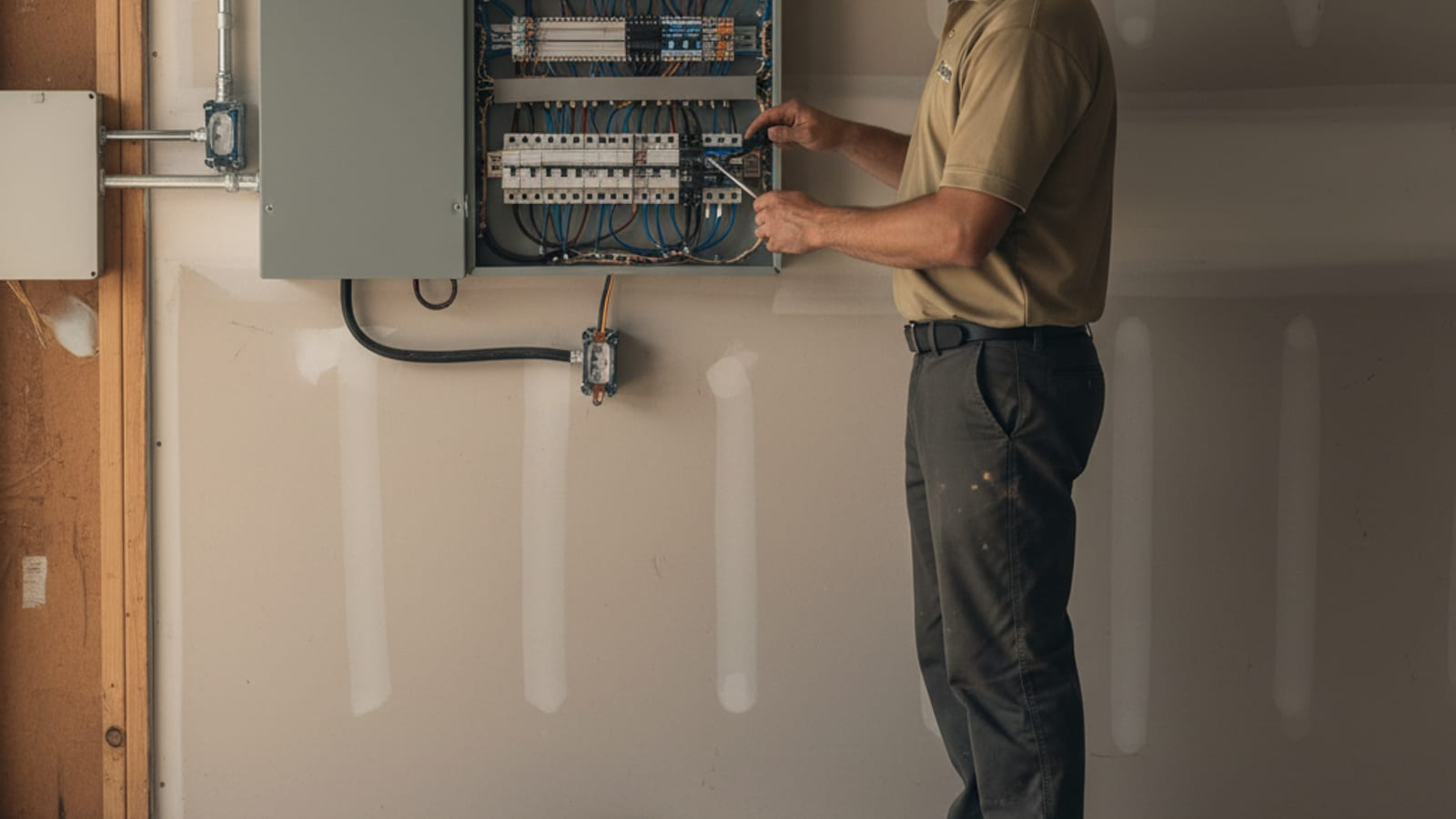
Older homes have a unique character that modern construction often cannot replicate. From classic architectural details to established neighborhoods, these properties can offer plenty of charm. However, their electrical systems may not be equipped to handle the demands of today’s households. Modern appliances, home offices, electric vehicles, air conditioning systems, and smart-home devices can place considerably more demand on an electrical service that was installed decades ago.
For homeowners considering an electrical service upgrade for older homes San Diego, understanding the signs, benefits, and planning process is important. An electrical upgrade is not simply about adding more outlets; it can involve improving the home’s main electrical service so the system can safely support current and future electricity needs.
Before beginning a project, homeowners should work with qualified electrical professionals who can evaluate the existing system and determine whether an upgrade is necessary. Companies such as EvolutionElectricSolar.com can help homeowners understand their options when an older electrical system needs to be evaluated or modernized.
Why Older San Diego Homes May Need an Electrical Upgrade
Many older properties were designed when households used far less electricity than they do today. A home may originally have been equipped for basic lighting, a refrigerator, a television, and a few other appliances. Modern homes, by comparison, may operate multiple computers, large televisions, HVAC equipment, kitchen appliances, chargers, networking equipment, and other electrical devices simultaneously.
An older service panel may therefore struggle to accommodate increased demand. In some cases, homeowners may experience frequent breaker trips, flickering lights, warm outlets, or other warning signs.
An electrical service upgrade can help bring the home’s electrical capacity in line with its current requirements while also preparing it for future improvements.
Signs Your Older Home May Need a Service Upgrade
Not every older house automatically requires a complete electrical service upgrade. However, several warning signs deserve professional attention.
Frequent Breaker Trips
Circuit breakers are designed to interrupt electrical flow when a circuit becomes overloaded or another electrical problem occurs. If breakers trip regularly, it may indicate that existing circuits cannot comfortably handle the home’s electrical demand.
Although resetting a breaker may temporarily restore power, repeated trips should not simply be ignored.
Flickering or Dimming Lights
Lights that dim when major appliances turn on can indicate that the electrical system is under significant load. Occasional changes may have simple explanations, but persistent or widespread flickering deserves an electrical inspection.
Outdated Electrical Panels
Some older homes still contain panels or components that were designed for electrical requirements that are very different from today’s standards. A professional electrician can inspect the panel and determine whether replacement or upgrading would improve the home’s capacity and safety.
Limited Electrical Capacity
Homeowners planning to install central air conditioning, an electric vehicle charger, heat pump, induction cooking equipment, or other high-demand appliances may discover that the existing service does not provide enough capacity.
Planning an upgrade before adding major electrical loads can prevent unnecessary complications later.
What an Electrical Service Upgrade May Include
The exact scope of an upgrade depends on the home’s existing electrical infrastructure and the homeowner’s future plans. A professional assessment may involve examining the service entrance, meter equipment, main panel, grounding system, wiring, and individual circuits.
In some situations, the project may involve replacing an outdated panel. In others, the electrical service itself may need to be increased to provide greater capacity.
The electrician may also identify wiring issues that should be corrected before additional electrical loads are introduced. This is especially important in older homes where portions of the electrical system may have been installed under standards that are no longer appropriate for modern usage.
Planning for Future Electrical Demand
One of the biggest advantages of upgrading an older home’s electrical service is the opportunity to plan ahead.
Homeowners should consider not only what they use today but also what they may add in the next several years. For example, an electrical service upgrade may be considered before installing:
- An electric vehicle charger
- A new HVAC system
- Heat pump equipment
- An electric water heater
- An induction range
- A home office
- Additional air conditioning equipment
- Solar and energy-storage equipment
Discussing these plans with an electrician during the initial assessment can help ensure that the upgraded system is appropriately designed.
Electrical Service Upgrades and Home Safety
Electrical capacity is only one part of the equation. Safety should remain a central consideration whenever an older electrical system is modified.
Older wiring, damaged components, improper connections, overloaded circuits, and inadequate grounding can create electrical hazards. A professional inspection can help identify conditions that may not be obvious to the homeowner.
Homeowners should also avoid attempting complex service-panel or service-entrance work themselves. Electrical service equipment can involve dangerous levels of electricity even when portions of a home’s interior electrical system appear to be switched off.
For additional information about electrical safety and household electrical hazards, homeowners can consult the U.S. Consumer Product Safety Commission’s electrical safety resources.
San Diego-Specific Considerations
San Diego’s mix of older neighborhoods and newer electrical demands makes electrical planning particularly important for homeowners renovating established properties. A house may have retained its original electrical infrastructure while its occupants gradually added modern appliances and equipment.
Local requirements, utility considerations, permitting, and inspection requirements can also affect the scope and timing of an electrical service project. Because these requirements can vary depending on the property and project, homeowners should have their electrician confirm the applicable requirements before work begins.
This is particularly important for projects involving changes to the main electrical service rather than simple interior electrical improvements.
How the Upgrade Process Typically Works
Although every project is different, the process generally begins with an electrical evaluation.
1. Electrical Assessment
A qualified professional examines the existing service, panel, wiring, grounding, and electrical loads. The homeowner can also explain planned additions or renovations.
2. Determine Required Capacity
The electrician evaluates current and anticipated electrical demand. This helps determine whether the existing service can remain in place or whether additional capacity is appropriate.
3. Develop an Upgrade Plan
The recommended work may include panel replacement, service-capacity improvements, wiring modifications, grounding improvements, or other necessary electrical work.
4. Handle Required Approvals
Depending on the project, permits, utility coordination, and inspections may be required. A qualified electrical contractor can help homeowners understand which steps apply.
5. Complete and Inspect the Work
Once the electrical work is completed, required inspections can verify that the installation meets applicable requirements. The homeowner should receive information about the upgraded system and any future maintenance considerations.
Is an Electrical Service Upgrade Worth It?
For many homeowners, the value of an electrical service upgrade goes beyond simply increasing electrical capacity. A properly planned upgrade can make it easier to use modern appliances, support future renovations, and accommodate emerging technologies.
It can also make an older home more practical for modern living. Rather than relying on extension cords, overloaded circuits, or workarounds, homeowners can have an electrical system designed around the property’s actual requirements.
However, the right solution varies from one home to another. A smaller upgrade may be sufficient for one property, while another may require more extensive electrical modernization.
Choosing the Right Electrical Professional
Experience matters when working on older homes because existing electrical systems can contain unexpected conditions. Homeowners should look for a properly qualified and licensed electrical contractor with experience evaluating and upgrading residential electrical systems.
It is also useful to ask whether the contractor can explain the recommended work clearly, identify potential issues before construction begins, and help coordinate any necessary permits or inspections.
A good electrical professional should focus not only on solving today’s problem but also on creating a practical system that can support the homeowner’s future plans.
Final Thoughts
An older home does not necessarily need a complete electrical overhaul, but its electrical system should be capable of safely supporting modern household demands. Warning signs such as frequent breaker trips, flickering lights, outdated panels, and insufficient capacity should receive professional attention.
For homeowners considering an electrical service upgrade for older homes San Diego, the best starting point is a thorough electrical assessment. Understanding the home’s existing infrastructure, current electrical demand, and future plans can help determine the most appropriate upgrade.
With proper planning and professional installation, an electrical service upgrade can help an older San Diego home remain safe, functional, and ready for the electrical demands of modern living.
