
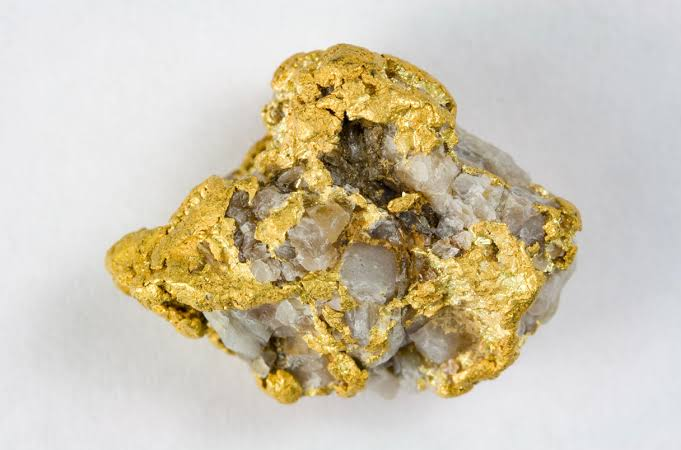
Gold has fascinated prospectors, geologists, and rock collectors for centuries. One of the most interesting places to look for gold is quartz rock, which can form in environments where gold-bearing fluids move through cracks in the Earth’s crust. However, not every quartz vein contains gold. Learning to recognize geological clues can help beginners identify promising rock formations and avoid confusing ordinary minerals with valuable deposits.
Quartz is common in many geological environments, but certain characteristics may make a quartz vein worth investigating. Color variations, iron staining, fractures, surrounding rock types, and the presence of other minerals can all provide useful information. With careful observation and basic geological knowledge, prospectors can develop a better understanding of where gold may occur.
For people interested in gold prospecting, mineral identification, and related outdoor discoveries, resources such as goldplaypots can serve as a starting point for exploring gold-related topics. Understanding the geology behind quartz formations, however, remains essential when evaluating whether a rock deserves closer examination.
1. Quartz Veins Running Through Bedrock
One of the first features prospectors examine is a quartz vein cutting through surrounding rock. Quartz veins form when silica-rich fluids enter fractures in bedrock and gradually deposit quartz as conditions change.
In some geological settings, these fluids may also carry dissolved gold and other minerals. As the fluids cool, react with surrounding rocks, or experience changes in pressure and chemistry, gold may precipitate within the vein or nearby rock.
What to Look For
Examine quartz veins that cut across older rock layers or follow visible fractures. Pay attention to veins that show changes in thickness, branching patterns, or irregular contacts with the surrounding bedrock.
Quartz veins in metamorphic rocks, volcanic rocks, and certain intrusive rock environments can be associated with gold mineralization. Nevertheless, quartz veins also form in many places without any gold.
The geological setting matters more than the simple presence of white quartz.
2. Rusty Brown, Red, or Yellow Staining
Iron staining is another feature that may attract a prospector’s attention. Quartz itself is often white, transparent, or gray, but the surrounding rock may develop rusty colors when iron-bearing minerals weather at the surface.
These colors can result from the oxidation of minerals such as pyrite, which is sometimes associated with gold deposits. As pyrite breaks down, iron oxides and hydroxides may produce reddish-brown, orange, or yellow staining.
Does Rusty Quartz Mean Gold Is Present?
Not necessarily. Iron staining is a geological clue rather than proof of gold. Many ordinary rocks contain iron-bearing minerals that produce similar colors without any precious metal.
Look for staining alongside other features, such as quartz veins, altered host rock, sulfide minerals, or mineralized fractures. A combination of clues provides more useful information than any single characteristic.
Weathering can also remove some minerals from the exposed surface, leaving cavities or rusty material behind. These features may justify further investigation, but laboratory testing is needed to establish whether gold is present.
3. Quartz With Visible Mineral Inclusions
Quartz sometimes contains small mineral grains, dark streaks, or metallic-looking inclusions. Depending on the geological environment, these may include pyrite, arsenopyrite, galena, or other sulfide minerals.
Certain sulfide minerals occur in gold-bearing systems, which is why geologists examine them when assessing mineralized rock.
Recognizing Pyrite and Real Gold
Pyrite is commonly called fool’s gold because its metallic yellow appearance can resemble native gold. However, the two minerals have different physical properties.
Pyrite generally forms angular or cubic crystals and tends to break or crumble under pressure. Native gold is malleable and can flatten or bend rather than shatter. Color alone is not a reliable identification method because lighting, weathering, and mineral surfaces can be misleading.
Other minerals may also appear metallic, so beginners should avoid making conclusions based only on photographs or visual inspection.
If a specimen contains unusual metallic grains, a qualified geologist or mineral laboratory can help identify them. Avoid crushing unknown mineral samples without appropriate precautions because some mineral deposits contain hazardous substances.
4. Fractures, Faults, and Altered Rock
Gold-bearing fluids commonly move through fractures, faults, and other permeable structures in the Earth’s crust. These structures create pathways through which hot fluids can travel and deposit minerals.
For this reason, the shape and condition of a quartz vein can be as important as its color.
Geological Features Worth Examining
Look for quartz filling cracks in bedrock, veins that intersect one another, and areas where the surrounding rock appears bleached, softened, or discolored.
Hydrothermal alteration can change the original minerals and appearance of host rock. Depending on the deposit type, alteration may include silicification, sericite formation, chlorite development, or other mineral changes.
Gold may occur within quartz, along vein margins, or in altered rock near a vein. It can also occur in mineralized zones where quartz is not especially abundant.
Fractures alone do not establish the presence of gold. However, understanding the structural geology can help explain where mineral-bearing fluids may have moved.
5. Quartz Associated With Sulfide Minerals
Sulfide minerals can provide important clues when studying potential gold deposits. Pyrite is especially common in many hydrothermal environments, while arsenopyrite and other sulfides occur in certain gold-bearing systems.
These minerals may form small crystals, scattered grains, bands, or concentrated patches within quartz veins and surrounding rocks.
Why Sulfides Matter
In some deposits, gold occurs as microscopic particles within sulfide minerals or along their grain boundaries. Consequently, a rock may contain gold even when no visible gold can be seen with the naked eye.
However, sulfides are widespread in geological environments that contain no economically significant gold. Their presence should therefore be interpreted alongside the host rock, vein structure, alteration patterns, and regional geology.
Prospectors should also recognize that some sulfide-bearing rocks can release harmful dust or produce acidic drainage when exposed to air and water. Professional handling and testing are advisable when dealing with unfamiliar mineralized specimens.
6. Geological Contacts and Changes in Rock Type
The boundary between two different rock types can sometimes be an important location for mineralization. These boundaries are called geological contacts.
When mineral-rich fluids move through fractured bedrock, their chemistry may change after interacting with different minerals. This reaction can encourage gold and other minerals to precipitate.
For example, some gold deposits occur where hydrothermal fluids interact with chemically reactive rocks. Other deposits are associated with intrusive bodies, metamorphic rocks, or complex fault systems.
How to Examine a Contact Zone
Observe where quartz veins cross from one rock type into another. Look for changes in color, texture, mineral composition, and alteration near the boundary.
Geological maps, historical mine records, and published regional surveys can help explain whether a particular area has a documented history of gold mineralization.
A rock contact is not automatically a gold indicator. Its significance depends on the broader geological environment and the processes that formed the surrounding rocks.
7. Quartz Veins Near Known Gold-Producing Areas
Regional geology can provide stronger evidence than the appearance of an isolated rock. If an area has documented gold occurrences, historic mines, or mapped mineralized structures, similar geological features nearby may deserve further study.
Nevertheless, nearby quartz veins do not necessarily contain the same minerals or gold concentrations as a known deposit.
The most useful approach is to compare several sources of information: geological maps, mineral occurrence records, the types of host rock, and the structural features visible in the field.
For reliable background information, the United States Geological Survey provides scientific resources on mineral resources, geology, and mineral deposit research. These materials can help readers understand the geological processes involved in gold formation and the limitations of visual prospecting.
8. Can You Identify Gold Without Laboratory Testing?
Visual inspection is useful for recognizing geological features, but it cannot reliably determine whether a quartz specimen contains gold or how much gold it contains.
A hand lens may help reveal mineral grains, crystal shapes, and textures. A geological hammer and safety glasses can be useful for lawful field examination, provided samples can be collected safely and legally.
For more dependable identification, consider professional mineralogical analysis or an appropriate laboratory assay. The correct method depends on the sample and whether the goal is simply to identify a mineral or measure its gold concentration.
Common Testing Methods
Mineral identification: Microscopic examination and mineralogical methods can help determine which minerals are present.
Fire assay: This established analytical technique is commonly used to measure gold concentrations in suitable samples.
Instrumental analysis: Certain laboratory instruments can measure gold and other elements, depending on the method, detection limits, and sample preparation.
A negative visual inspection does not prove that a rock is gold-free, and a promising appearance does not establish commercial value. Reliable testing is necessary before drawing conclusions.
Common Mistakes When Searching for Gold in Quartz
Beginners can save time by avoiding several common errors.
- Assuming all white quartz contains gold: Quartz is abundant and frequently forms without precious metals.
- Confusing pyrite with native gold: Metallic yellow color is not enough to identify a mineral.
- Ignoring the surrounding geology: Host rocks, fractures, alteration, and regional mineralization all contribute useful context.
- Judging a deposit by one specimen: A single rock may not represent the larger geological formation.
- Relying exclusively on online photographs: Appearance can change with lighting, weathering, and camera settings.
- Collecting samples without checking local rules: Land ownership, protected areas, and mineral rights may restrict prospecting or sample collection.
Careful documentation is also valuable. Photograph rock formations, record sample locations where permitted, and note the geological features observed. This information can help a geologist assess a specimen more effectively.
Conclusion
Recognizing the signs of gold deposits in quartz rock formations requires more than looking for shiny yellow particles. Quartz veins, iron staining, sulfide minerals, fractures, altered host rocks, and geological contacts can all provide clues about the environment in which a rock formed.
None of these features independently confirms the presence of gold. The strongest preliminary assessment combines several geological indicators with knowledge of the local area. When a specimen appears promising, professional mineral identification and laboratory analysis offer a more dependable way to establish its composition.
For beginners, the most valuable skill is learning to observe rocks carefully, distinguish common minerals, and understand the geological processes that create mineral deposits. This approach makes prospecting more informed, realistic, and scientifically grounded.
