
Benign prostatic hyperplasia is a common condition affecting men, typically as they age. While not life-threatening, it can cause frustrating urinary symptoms that disrupt daily life. Understanding BPH and exploring available treatment options, such as Urolift, can help men manage this condition effectively.
What Is Benign Prostatic Hyperplasia?
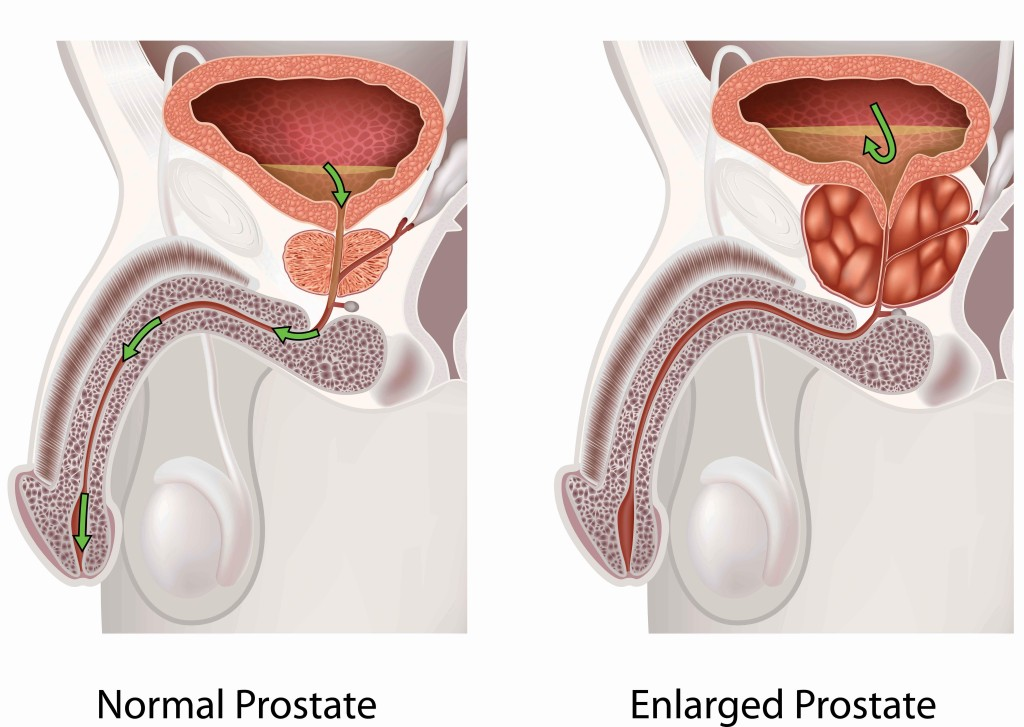
Benign prostatic hyperplasia, or BPH, refers to the non-cancerous enlargement of the prostate gland. This gland surrounds the urethra, which is the tube that carries urine out of the bladder. When the prostate expands, it can press against the urethra and restrict the normal flow of urine.
Symptoms of BPH may include difficulty starting urination, a weak urine stream, or frequent urination, especially during the night. Some men may also experience a sense of incomplete emptying of the bladder. Although the condition is linked to aging, other factors, such as hormonal changes, may contribute to its development.
If left untreated, BPH can cause complications such as urinary tract infections or kidney damage. Common symptoms include frequent urination, weak urine flow, and difficulty emptying the bladder. Early detection and treatment are key to preventing these issues from worsening. Taking action can significantly improve quality of life and overall urinary health.
How Does UroLift Help Treat This Condition?
There are several ways to manage BPH, from simple lifestyle changes to advanced medical treatments. One option is prostatic urethral lift, also known as UroLift. This minimally invasive procedure helps relieve symptoms without major surgery, offering a quicker recovery time. It’s a practical choice for many patients seeking a less invasive solution.
This procedure involves inserting small implants into the prostate to hold enlarged tissue away from the urethra. The goal is to relieve obstruction and improve urine flow without removing prostate tissue. Unlike more invasive surgeries, UroLift can often be performed in an outpatient setting.
Patients who undergo a UroLift procedure may experience fewer side effects compared to traditional approaches. It often avoids the risks associated with more invasive treatments. This makes it an appealing option for men looking to preserve their quality of life while managing BPH.
When Should I Consult a Specialist?
Men experiencing urinary symptoms that are interfering with their daily activities may benefit from consulting a specialist. While not all symptoms indicate a need for immediate intervention, evaluating the severity and frequency of symptoms is helpful in determining the right course of action. Signs that it might be time to speak with a medical professional include difficulty urinating, frequent nighttime awakenings to use the restroom, or recurrent urinary tract infections.
A healthcare provider can assess the symptoms and determine whether they are related to BPH or another condition. Early consultation can open the door to a variety of treatment options, some of which may be less invasive when addressed sooner. Specialists may recommend lifestyle adjustments, medications, or procedures like UroLift, depending on each patient’s specific needs.
Take Control of Your Urinary Health
BPH is a common condition, but it does not have to interfere with your well-being. You can take steps toward better urinary health by understanding your symptoms and exploring treatment options like prostatic urethral lift. If urinary symptoms are disrupting your life, consider reaching out to a healthcare professional for an evaluation. Taking that first step toward treatment can improve both your comfort and overall quality of life.
-
What Is Medicaid Exclusion For Funeral Plans – Benefits of Medicaid Funeral Exclusions!
Medicaid exclusion for funeral plans allows individuals to set aside funds for funeral expenses without affecting Medicaid eligibility. This ensures financial stability and preserves benefits. In this article, we will delve into “What is Medicaid exclusion for funeral plans,” exploring its significance, how it works, and why it is a vital tool for financial and […]
-
Banner Desert Medical Center – Trusted Care in Arizona!
Banner Desert Medical Center provides comprehensive medical care, specialising in trauma, cardiology, cancer, and paediatric services. In this detailed guide, we’ll explore the history, specialties, patient care experience, and the many reasons Banner Desert Medical Center is a top choice for healthcare in Arizona. History of Banner Desert Medical Center: Established in 1973, Banner Desert […]
-
Why Cranberry Femine Health – The Ultimate Natural Wellness Guide for Women!
In recent years, more women are turning to natural solutions to manage their health—particularly when it comes to intimate and urinary wellness. Among all the herbal and fruit-based remedies available, one stands out: cranberry. So, why cranberry for feminine health? Is it just another wellness trend, or is there actual science behind it? In this […]
-
What Is The Best Peptide For Bone Health – A Comprehensive Overview!
When it comes to maintaining strong, healthy bones—especially as we age or recover from injury—many people are turning to peptide therapy. But with so many peptides on the market, you might be wondering: “What is the best peptide for bone health?” In this article, we’ll explore the most effective peptides for bone regeneration, density, and […]
-
Why Is Signify Health Calling Me – Understanding the Purpose Behind the Call!
You may have recently received a call from Signify Health, and understandably, you’re wondering: “Is this a scam?” or “Why are they reaching out to me?” Signify Health is not a telemarketing company or a scam. It’s a legitimate healthcare organization that works with insurance providers like Medicare Advantage, Medicaid, and commercial health plans to […]
-
Adolescent Health Sandra Mcchanja – Advocacy, Research, and Impact!
Adolescent health is a cornerstone of public health, as it shapes the future of communities, nations, and generations. One of the notable figures making a real impact in this field is Sandra McChanja, a professional recognized for her work in adolescent healthcare, youth empowerment, and social health education. In this article, we’ll explore what adolescent […]







Leave a Reply