
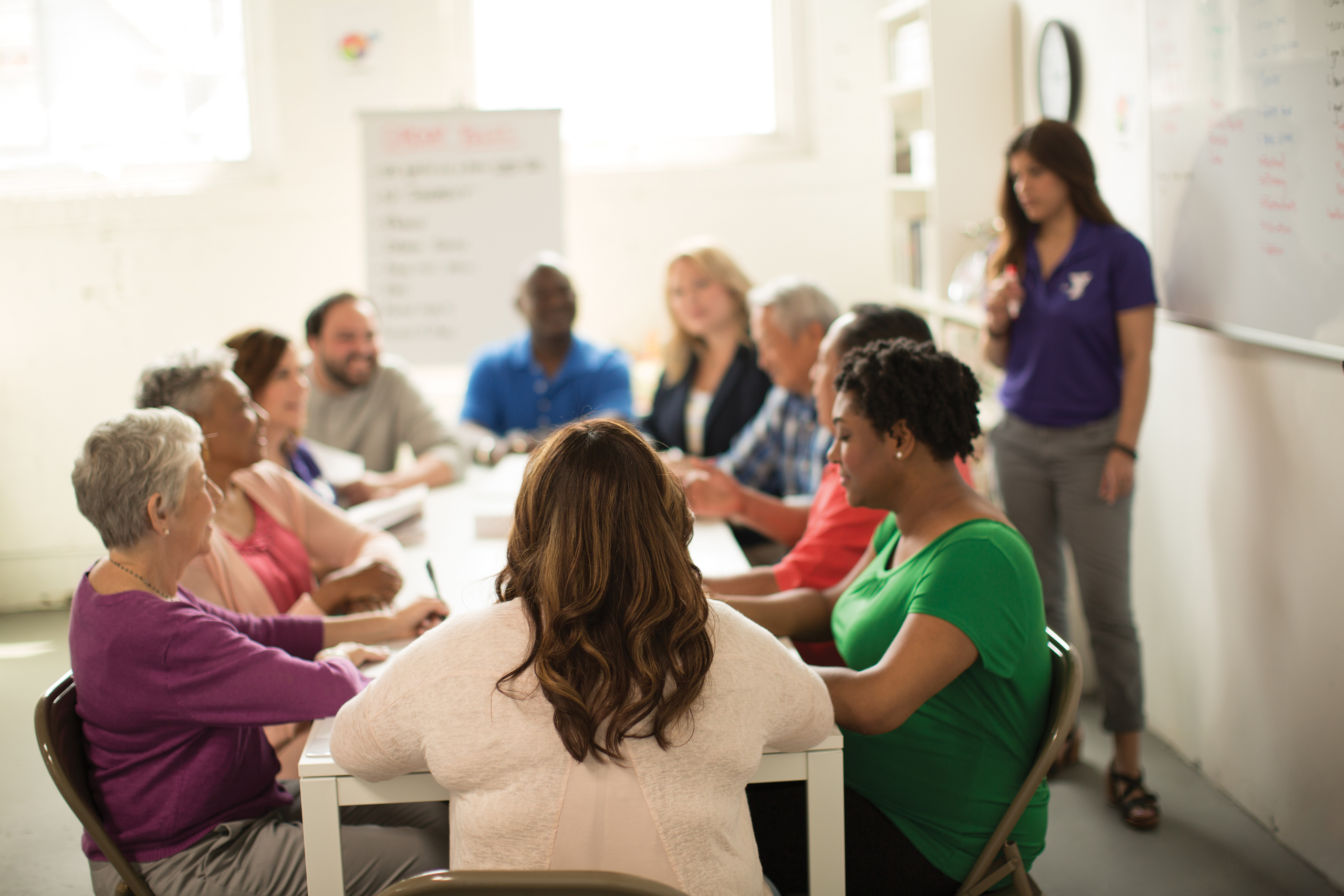
Family wellness is about much more than staying physically active. It includes maintaining good mental health, building meaningful relationships, eating nutritious meals, and creating healthy habits that support every member of the household. As modern lifestyles become increasingly busy, many families struggle to find activities that promote both physical fitness and quality time together. Community-based wellness programs offer an effective solution by providing opportunities for learning, recreation, and personal growth in one supportive environment.
Organizations dedicated to family wellness help parents and children develop lifelong healthy habits through structured activities, educational resources, and community engagement. Whether it’s participating in youth sports, joining fitness classes, attending nutrition workshops, or taking part in seasonal events, these programs encourage families to stay active while strengthening their connections with one another.
Many online resources, including ymcaeuc.org, share valuable information about wellness initiatives, healthy lifestyle practices, and family-focused activities that inspire communities to prioritize overall well-being. Learning about these opportunities can help families choose programs that match their interests, schedules, and long-term health goals.
Why Family Wellness Matters
Wellness affects every aspect of family life. When parents and children adopt healthy habits together, they are more likely to maintain them over time. Regular physical activity, balanced nutrition, and positive communication contribute to stronger relationships and improved emotional well-being.
Healthy families often experience:
- Better physical fitness
- Reduced stress levels
- Improved mental health
- Stronger family bonds
- Higher self-confidence in children
- Better academic performance
- Increased energy throughout the day
Instead of viewing health as an individual responsibility, family wellness programs encourage everyone to work together toward shared goals.
The Role of Community Wellness Programs
Community organizations create safe, welcoming environments where families can participate in activities suitable for all age groups. These programs remove many barriers to healthy living by offering accessible classes, recreational facilities, and educational events.
Typical community wellness services include:
- Family fitness sessions
- Swimming lessons
- Youth sports leagues
- Parenting workshops
- Nutrition education
- Senior wellness activities
- Mental health awareness programs
- Outdoor recreation events
By bringing people together, these programs also strengthen neighborhoods and encourage lasting social connections.
Physical Fitness for Every Generation
One of the greatest advantages of family wellness programs is their ability to include participants of all ages. Rather than separating activities for adults and children, many organizations design programs that families can enjoy together.
Examples include:
Family Exercise Classes
Group fitness classes allow parents and children to stay active while spending quality time together. Activities may include aerobics, dance, stretching, yoga, or circuit training designed for mixed age groups.
Swimming Programs
Swimming improves cardiovascular health, strengthens muscles, and teaches an essential life skill. Family swim sessions encourage confidence in the water while providing enjoyable recreational opportunities.
Recreational Sports
Basketball, soccer, volleyball, and other recreational sports help children develop teamwork, discipline, and communication skills while keeping them physically active.
Supporting Mental and Emotional Well-Being
Family wellness extends beyond physical health. Emotional resilience plays an equally important role in maintaining a healthy lifestyle.
Many wellness programs include resources that promote:
- Stress management
- Positive parenting
- Mindfulness practices
- Emotional intelligence
- Healthy communication
- Conflict resolution
These skills help families navigate daily challenges while creating supportive home environments.
Healthy Eating Education
Nutrition is another essential component of comprehensive wellness. Educational workshops teach families how to prepare balanced meals, understand food labels, and make healthier grocery choices.
Children who learn healthy eating habits early are more likely to continue those habits into adulthood. Parents also benefit from practical strategies for meal planning, portion control, and reducing processed foods.
Simple nutrition lessons often cover:
- Fruits and vegetables
- Whole grains
- Lean proteins
- Healthy fats
- Hydration
- Limiting added sugars
Healthy eating becomes easier when the entire family participates in meal preparation and planning.
Encouraging Active Lifestyles Outside the Program
Successful wellness programs inspire participants to remain active beyond scheduled sessions. Families are encouraged to develop daily habits such as evening walks, weekend bike rides, outdoor games, and home exercise routines.
Small lifestyle changes can make a significant difference over time. Even thirty minutes of daily activity improves cardiovascular health, strengthens muscles, and supports better mental well-being.
